2026 Data Center Trends for Small Business
The trends worth your attention, and the ones that are noise if you run 5 to 200 seats.
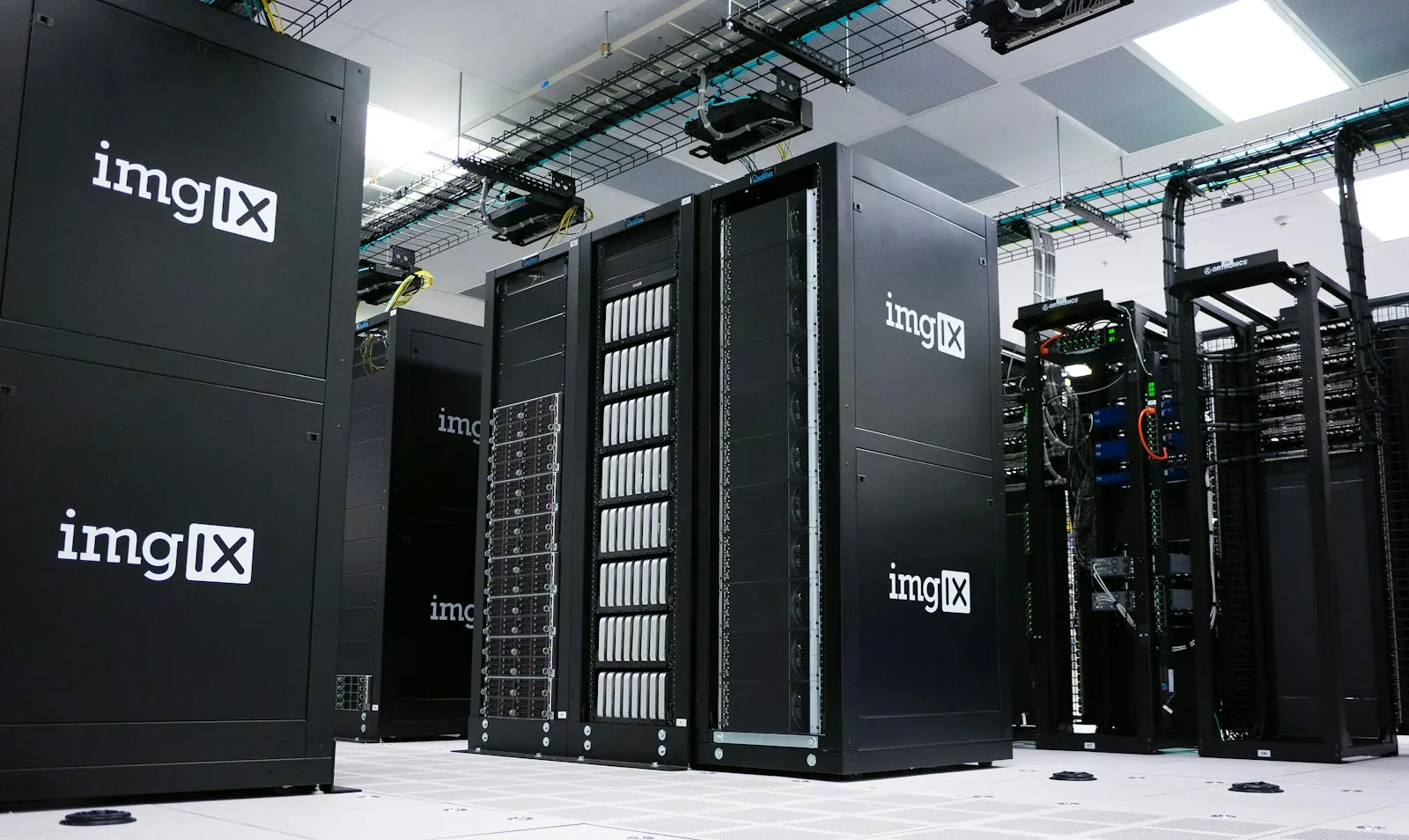
Data center headlines are written for hyperscalers, but a few trends land squarely on small and mid-size companies in Hamilton and the GTA. Here is what actually matters, and what you can ignore.
AI workloads are coming home
The first AI experiments happened in someone else’s cloud. The invoice shock came next. A growing number of SMBs run their AI workloads on one or two on-site GPU servers instead of renting someone else’s, especially where data privacy or per-token costs matter. That means power, cooling, and rack planning from day one, not after the hardware shows up. We size for this by default now: a server room built in 2026 should assume a GPU or two in its future, because retrofitting for 1,500 watts per box is far more expensive than planning for it.
Density and heat are the real budget line
Modern servers draw more power in less space. A single rack can pull 5 to 10 kW now. Older offices on 100 amp panels run out of headroom fast. The trend that matters: power distribution, monitoring, and cooling designed before the first cable is pulled. This is where buildout planning pays for itself, and where we see the most avoidable failures in buildings that were never meant to house compute.
Fiber is the default, copper is the exception
Within buildings, 10 gigabit links are routine, and multi-gigabit internet is now a business decision rather than a luxury. Structured cabling designed around Cat6A and single mode fiber means the next five years of upgrades are plug and play. We covered the practical tradeoffs in our Cat6 versus fibre piece.
The trends you can safely ignore
- Liquid cooling: hyperscale problem, not yours.
- “Edge data centers”: marketing for most SMBs.
- Cloud repatriation as an ideology: some workloads belong in the cloud. The right answer is boring: each workload where it is cheapest and safest to run.
The through line is unglamorous. Plan power and cooling first, cable for ten years, and treat every new workload as a power decision before it is a software decision.
Deciding what to keep on site? See custom PCs and servers or infrastructure buildouts.